For decades, cinema was built around a ritual: showtimes, ticket lines, dark rooms, and opening weekend numbers. Today, that ritual has shifted. The “couch-first” era has redefined how stories are discovered, financed, and consumed. Streaming services are no longer just distribution platforms. They are reshaping the economics, structure, and cultural processing of film itself. In our second episode, we unpack how this transformation goes far beyond convenience, and what it means for filmmakers, theaters, and audiences.
Cinema in the streaming age: how streaming platforms are reshaping modern cinema
Back then, one bad Friday could kill a movie. Today, streaming platforms operate on subscriptions, retention, and long-tail engagement. A film doesn’t have to explode instantly; it can grow. It can find its people. That changes everything. Slow-burn dramas. Niche documentaries. Non-English thrillers. Stories that would’ve been labeled “too risky” now have room to breathe.
Cinema isn’t dying, it’s mutating. Algorithms curate it, streaming funds it, and theaters are fighting to stay unforgettable.
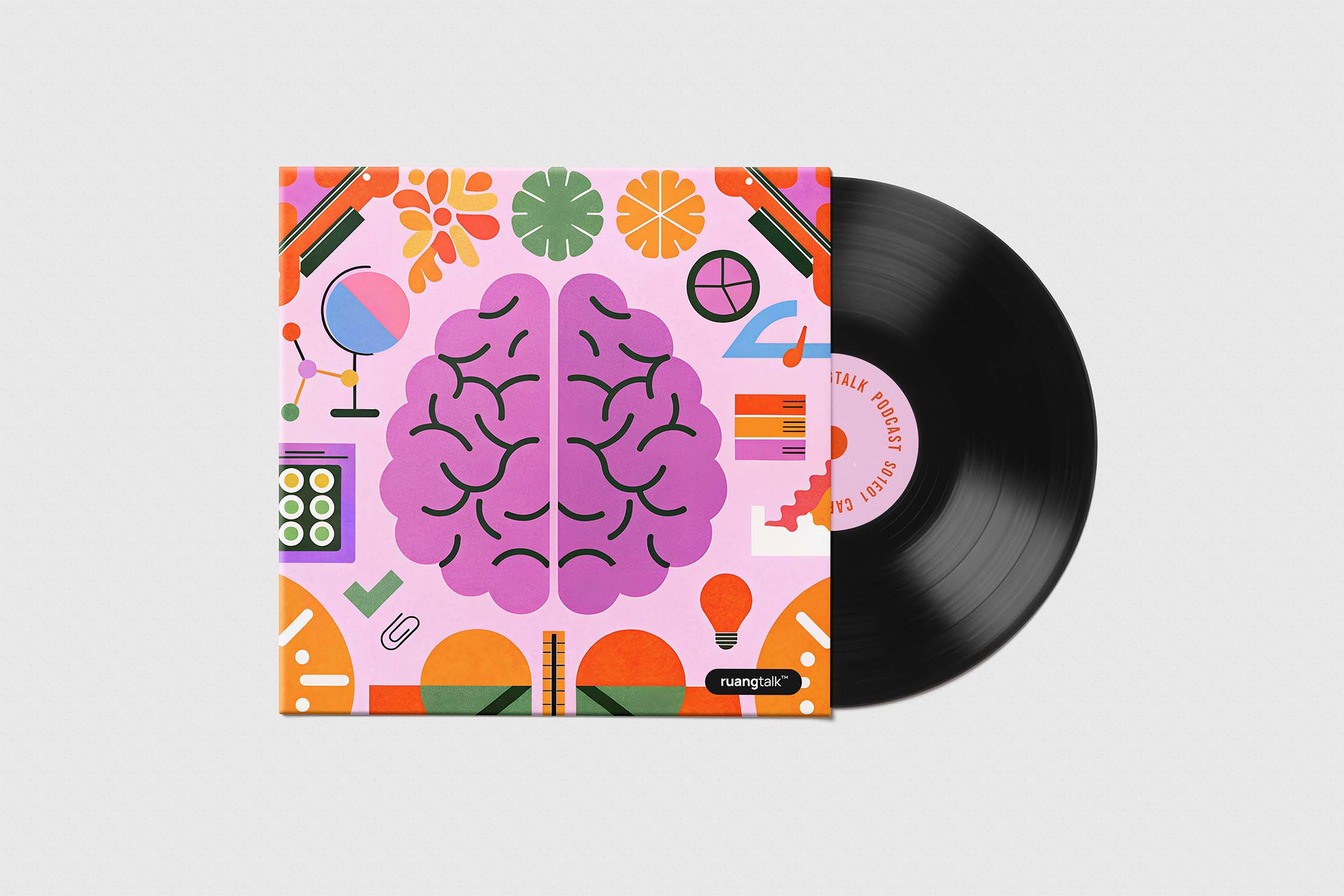
ruangtalk, podcast
Streaming didn’t just lower the financial risk. It widened the creative gate. In this episode, we talk about how this shift is empowering unconventional filmmakers and what that means for the next generation of storytellers.
The algorithm is the new film critic
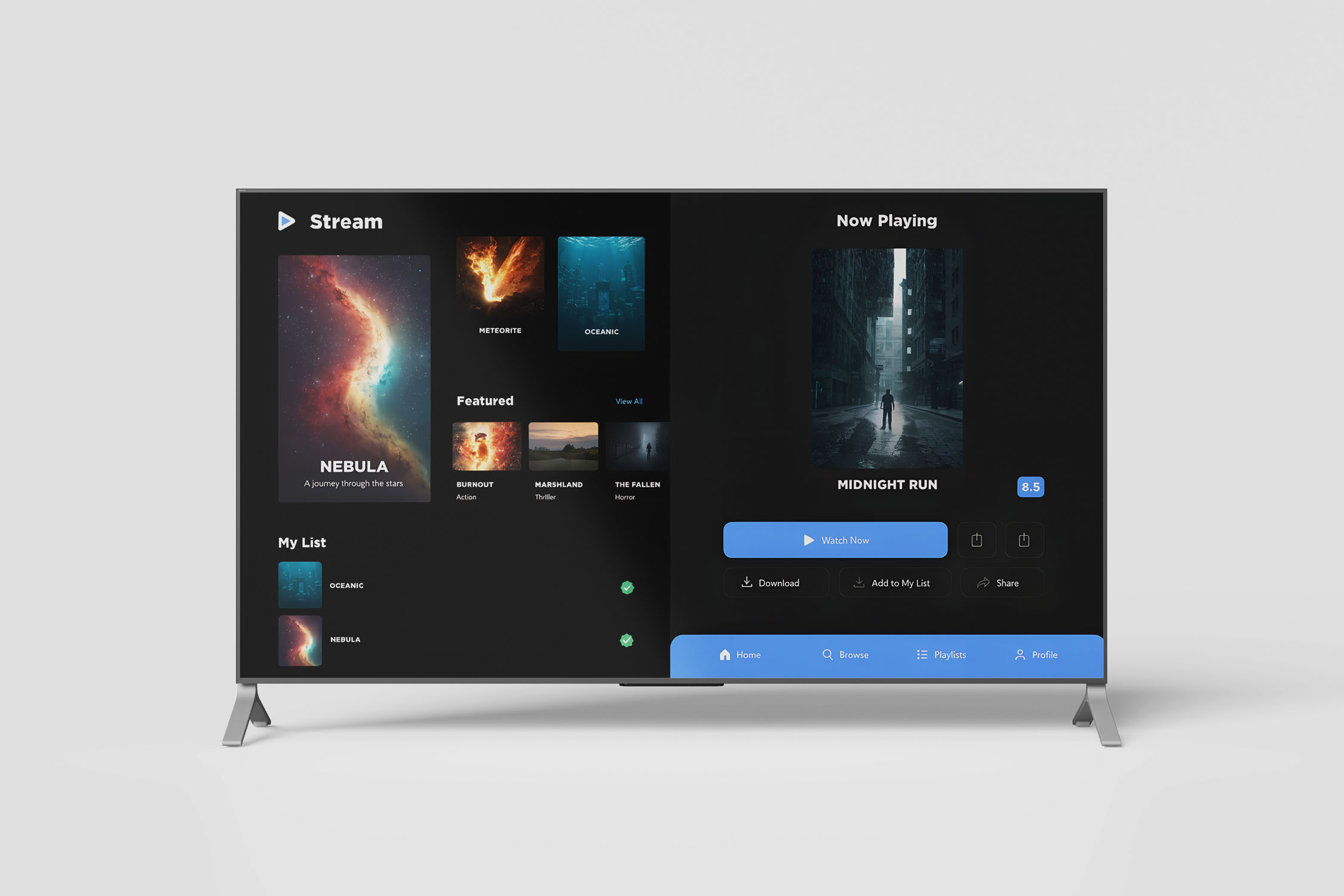
We’ve moved from Rotten Tomatoes debates to recommendation engines. Instead of critics telling us what’s culturally important, algorithms analyze what we actually click, pause, rewind, and binge at 3AM. It’s data-driven discovery. That’s why a Korean thriller, an indie doc, or a micro-budget horror film can suddenly trend worldwide. Geography doesn’t matter the way it used to. But here’s the real question: Are we choosing what to watch, or are we being gently nudged?.
Streaming platforms are encouraging what we call a “living narrative”, stories that expand, evolve, and sometimes branch based on engagement. Modern cinema isn’t just watched. It’s extended, revisited, discussed in the comment sections, and remixed into culture. The screen may be smaller, but the conversation is bigger.
Instead of turning this article into a transcript, we kept this piece short on purpose. Because this conversation is better heard. If you’re into conversations about film, storytelling, creative shifts, and the future of media, follow ruangtalk™ on SoundCloud so you don’t miss the next one.