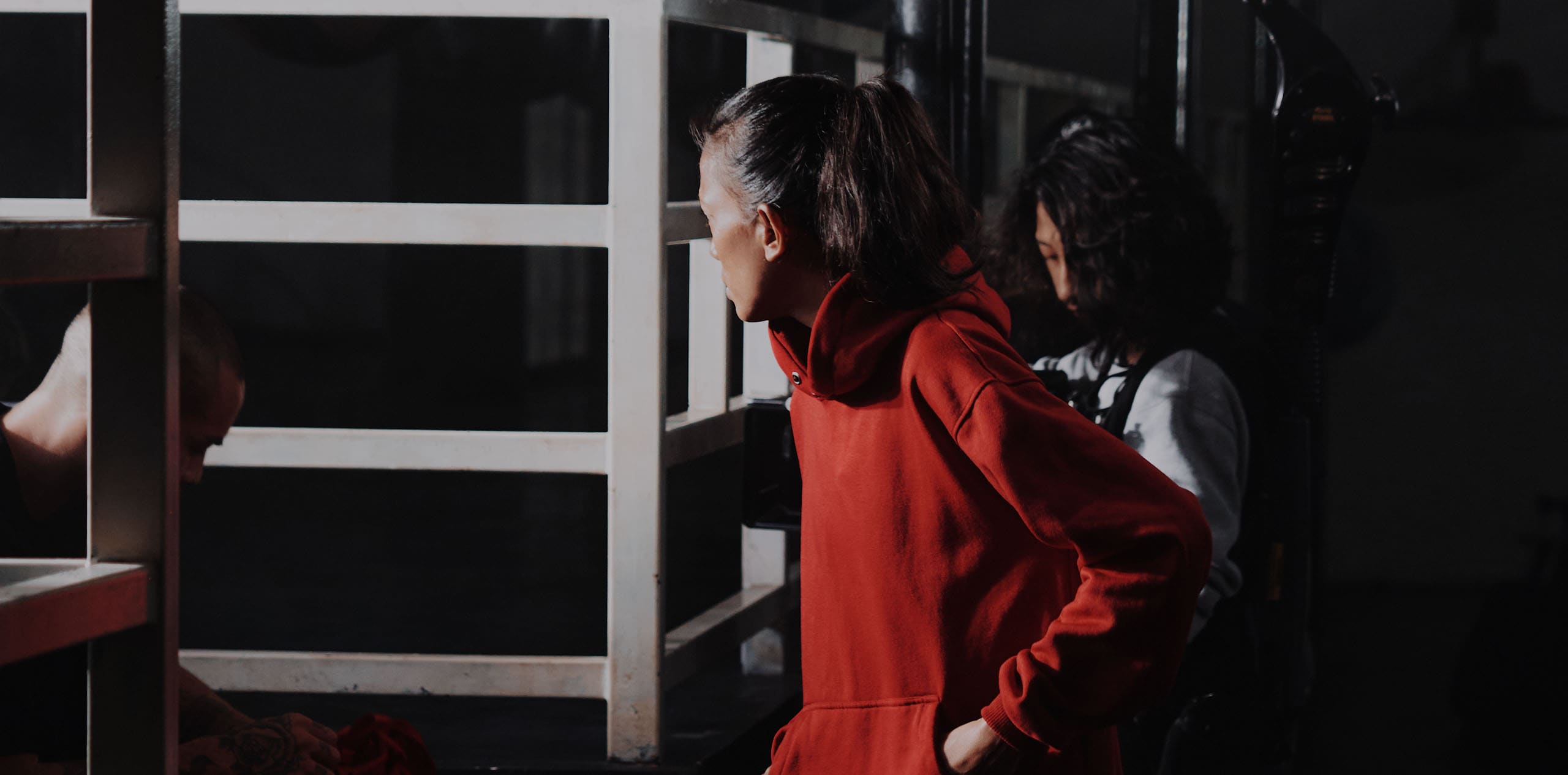
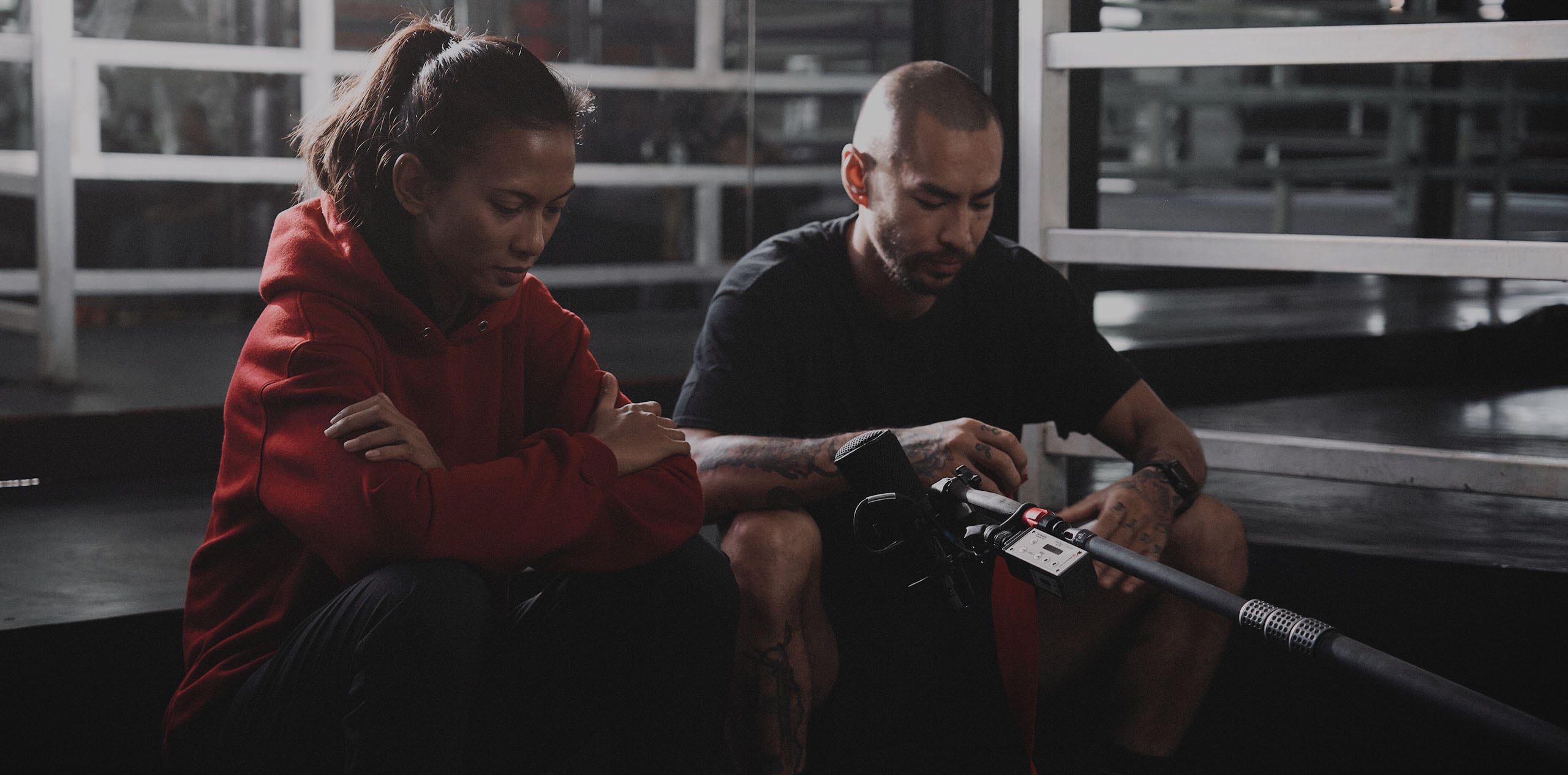
Unscripted journeys—that’s what independent filmmaking often feels like to me. It's about accepting the unknown, staying adaptable, and using the resources and people at your disposal to create something worthwhile. It hasn't been a straight line for me. I’ve worked with high-end gear, but I’ve also had shoots with limited resources and a small, scrappy team.
The Heartbeat of Independent Filmmaking
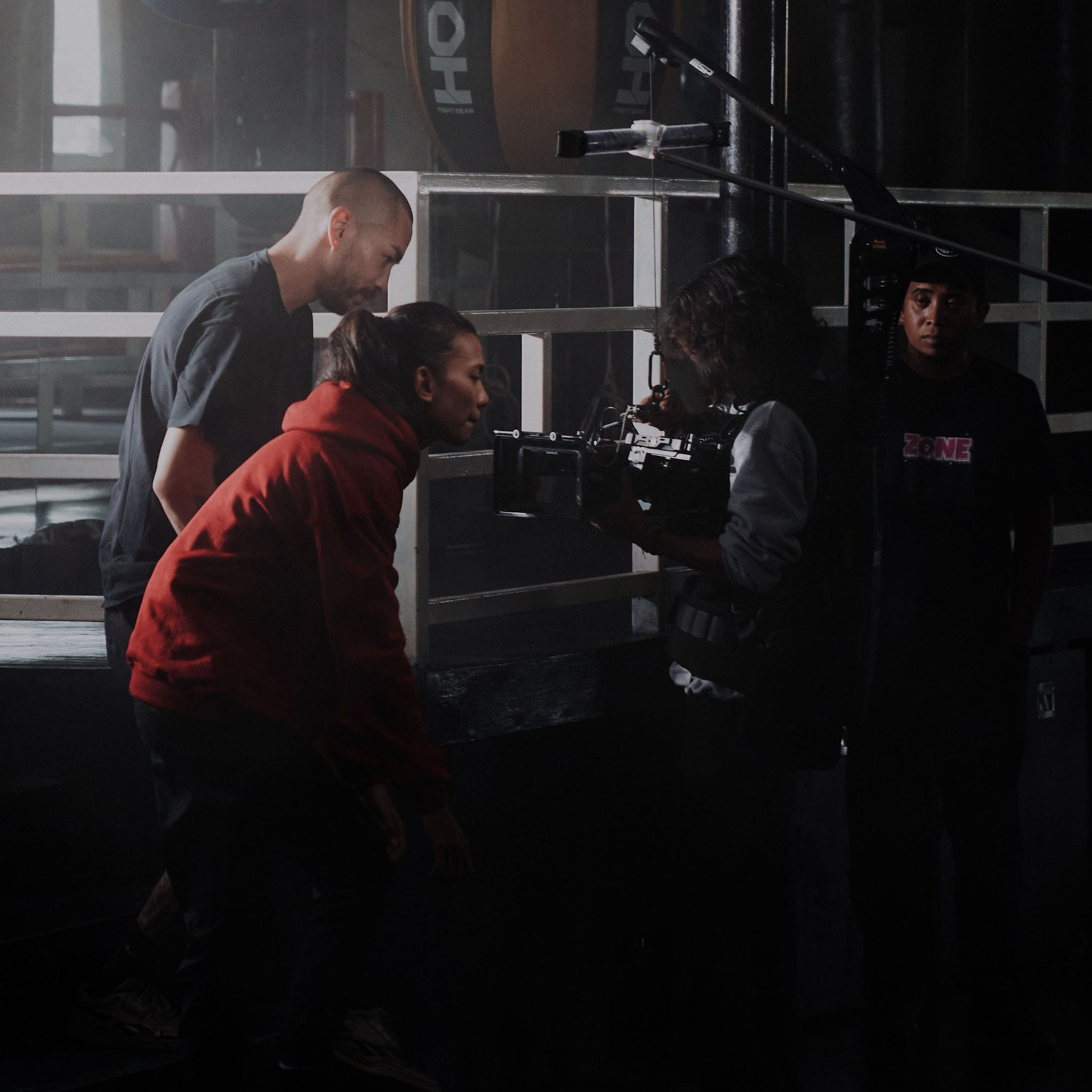
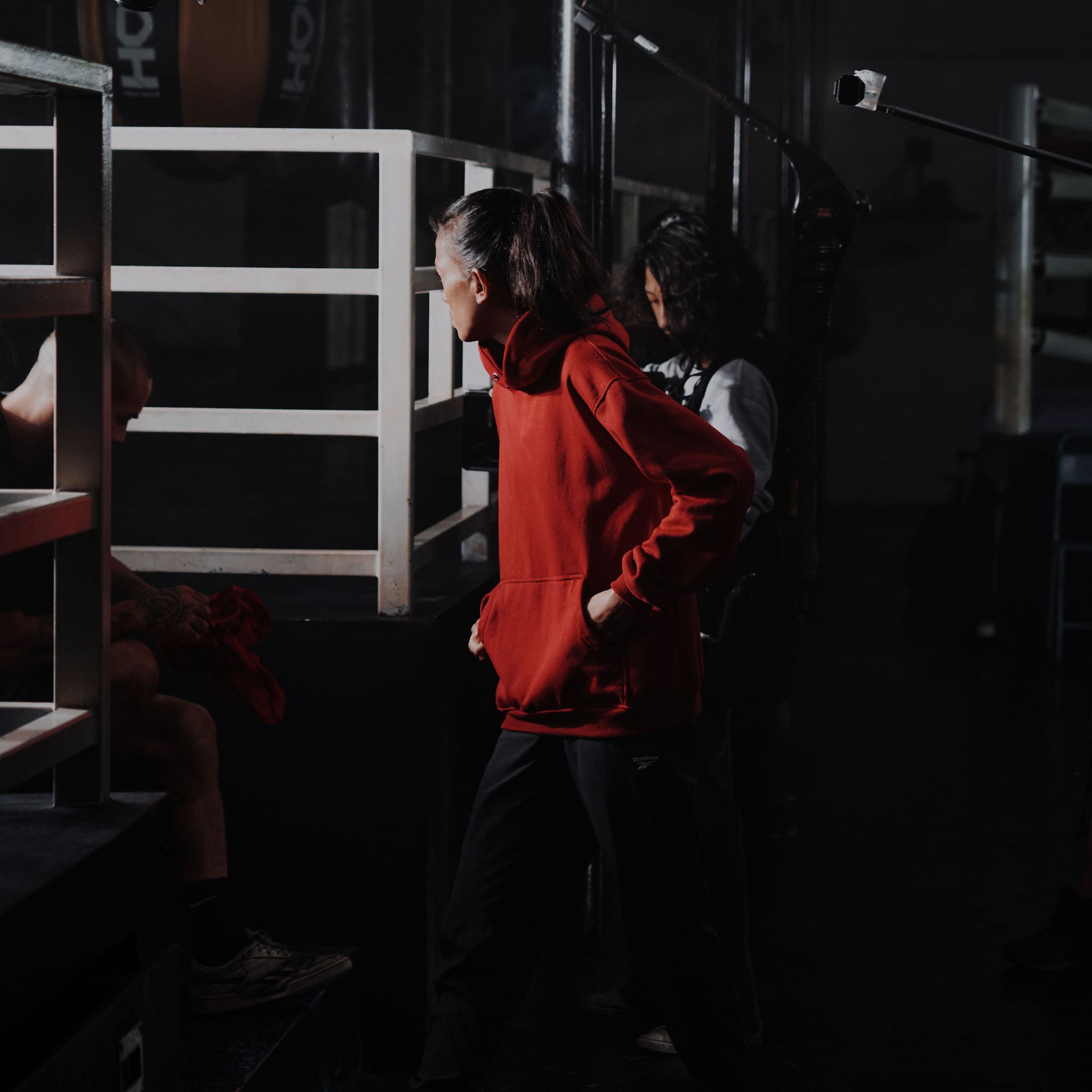
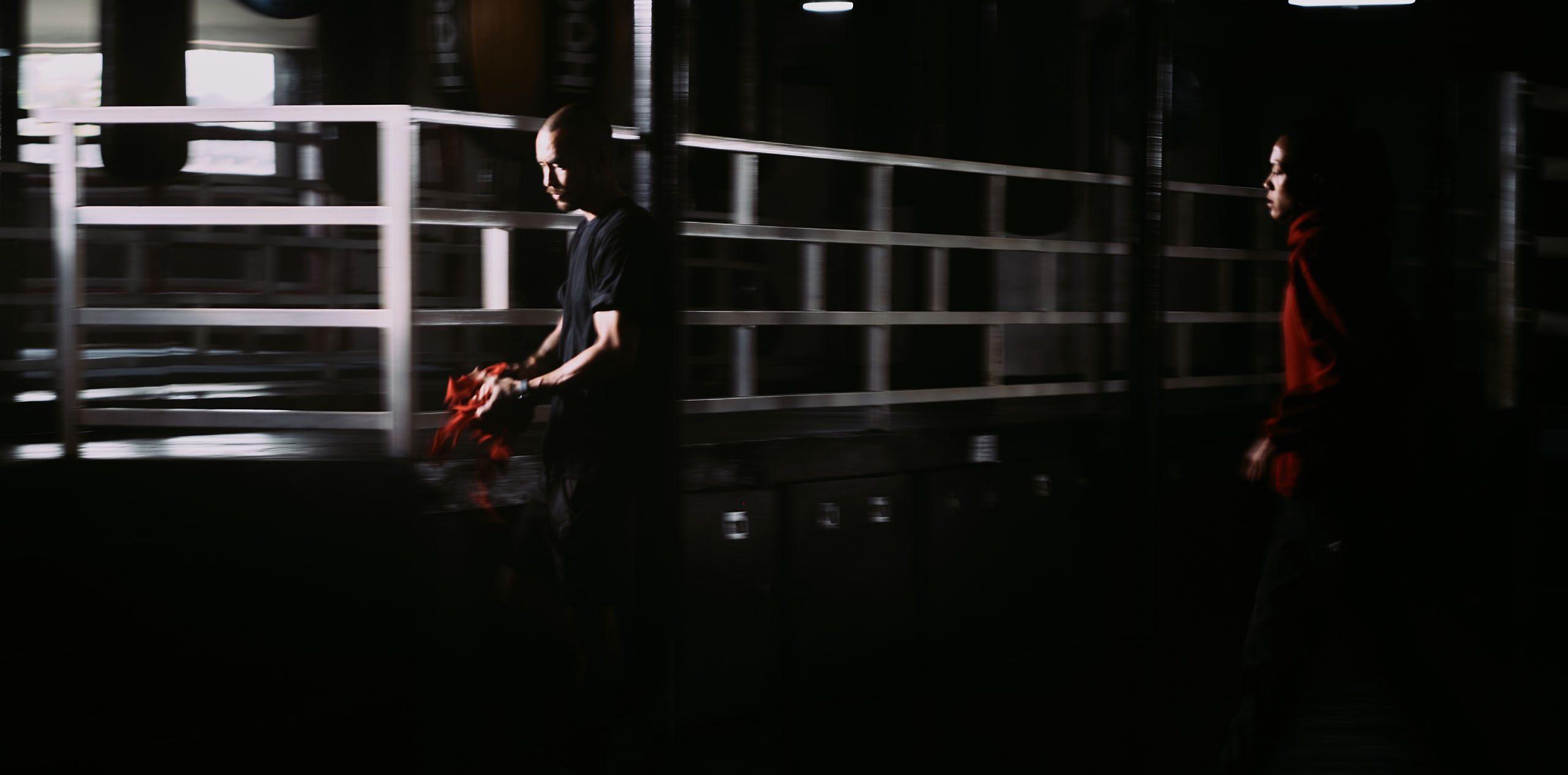
This post gives you an inside peek at one of my recent personal projects—an independent shoot I did recently for fun, which challenged me both creatively and technically. It was raw, fast-paced, and sometimes chaotic.
I want to share what really happens when you’re not just the director or the camera operator, but also the producer, editor, and problem-solver on set. This narrative covers my experiences as a director, camera operator, producer, editor, and problem solver. Whether you’re a business, production company, or another creative looking to collaborate, I hope this gives you an insight into my process and why I love telling visual stories, especially ones that don’t follow a script.
Independent filmmaking forces you to adapt, rethink, and create from the ground up—and that’s exactly where the real storytelling begins.
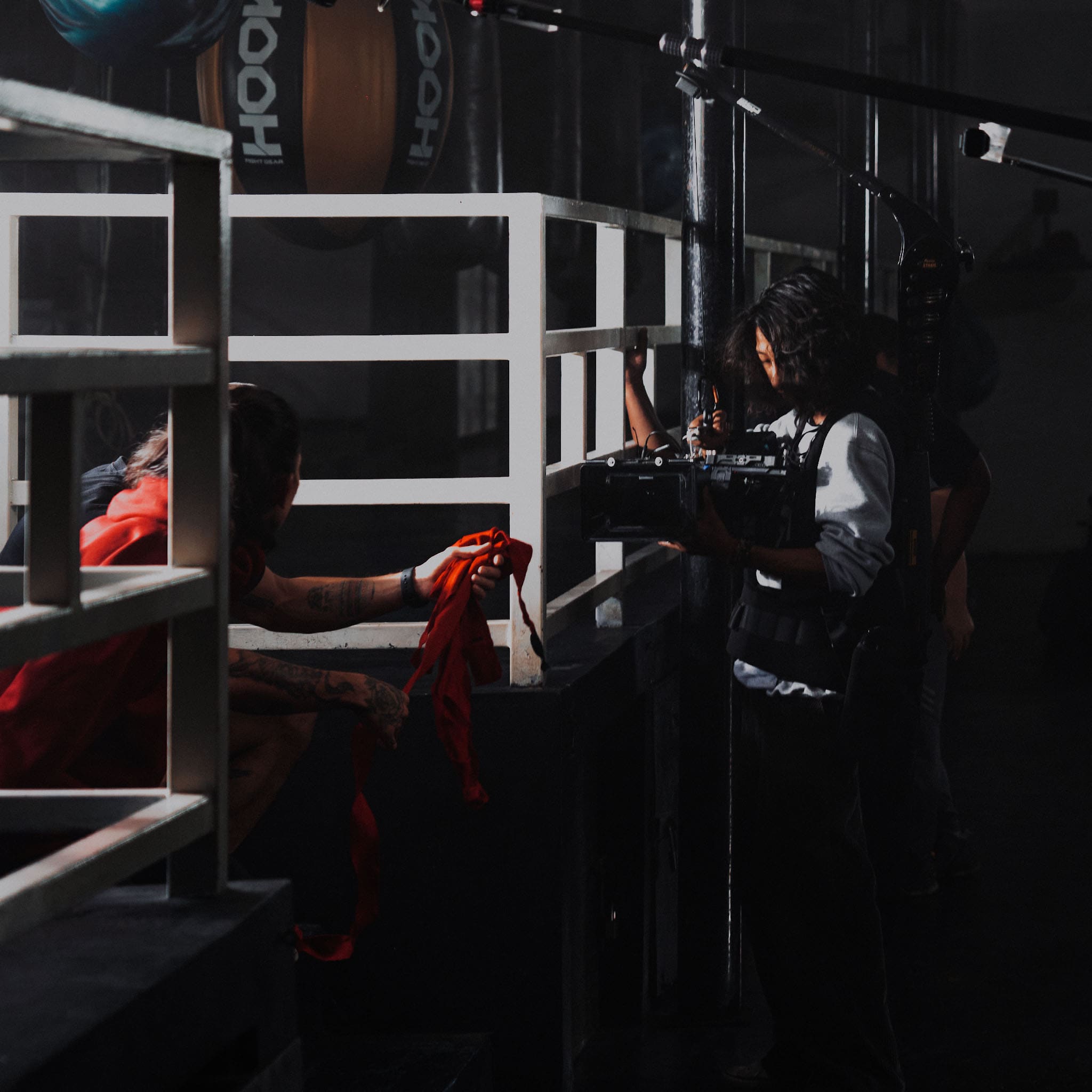
Now, what does it look like in reality? Let’s break it down—because it sounds noble on paper, but in practice? It means forgetting the shot list because the location got double-booked by a yoga retreat. It means your key light suddenly becomes the sun through a plastic diffuser held up by a crew member standing on a folding chair named “Props.” And it definitely means getting creative with wardrobe, especially when the actor forgot theirs and your shirt becomes “costume.” But here’s the thing: that’s the fun part.
Totally Just a Casual Stroll
Working independently doesn’t just teach you to think outside the box—you throw the box away, recycle it into a bounce board.
You adapt. You improvise. You find the shot that wasn’t in the storyboard but somehow tells the story better than anything you planned. And you do it all while keeping the energy up, the crew alive, and your camera battery at least above 3%. That’s when the real storytelling kicks in—not when everything is perfect, but when nothing goes to plan and you still walk away with something raw, honest, and real.
And by “adapt,” I mean figuring out how to turn three borrowed lights, a half-broken mic, and one overly enthusiastic friend into a full-blown production. You start the day with a shot list and a vision and end it holding a reflector with one hand, balancing a coffee in the other, and directing with your eyebrows because someone “borrowed” your voice for ADR. But somehow, through the chaos, duct tape, and existential monologues about budget, the story finds its soul—and you accidentally become both the director and the on-set therapist.
When I say “unscripted moments,” I don’t mean we didn’t prepare. We over-prepared. But we also knew when to let go, adapt, and trust the moment. That’s what makes the indie process messy, real, and addictive. It’s not chaos. It’s jazz. Every shoot is a jam session—built on rhythm, instinct, trust, and the ability to stay cool when the lights go out (literally).
Perfect clap angle
1. The Vision and the Why
The vision wasn’t just to make a movie. It was to explore a world I felt connected to — one filled with sweat, bruises, emotional battles, and unspoken resilience. A boxing story? Sure, on the surface. But beneath the punches, it’s about inner conflict, survival, redemption, and finding strength when everything else falls apart.
Integer diam tristique quis pellentesque ongue vitae nunc, facilisis nec, in facilisis libero uspendis se quam elit vitae commodo nteger arcu id id ut adipiscing gestas volutpatacilisis tincidunt sodal es turpis agittis amet at a tempus in nisl llicitudin faucibus semper ornare ut.Integer diam tristique quis pellentesque ongue vitae nunc, facilisis nec, in facilisis libero uspendis se qua elit vitae co mmodo nteger arcu id id ut adipiscing gestas volutpat facilisisquis pellentesque ongue vitae nunc, facilisis nec in facilisis libero uspendis se quam elit vitae commodo nteger arcu id id ut adipiscing gestas volutpat facilisis tincid amet.
Unscripted journeys—that’s what independent filmmaking often feels like to me. It's about accepting the unknown, staying adaptable, and using the resources and people at your disposal to create something worthwhile. It hasn't been a straight line for me. I’ve worked with high-end gear, but I’ve also had shoots with limited resources and a small, scrappy team.
Enrico Surya
I possess a strong interest in all things visual arts, including cinematography, photography, and motion design. I enjoy trying out new concepts, documenting memories, and creating graphics that resonate with people.